
- oiste.org
- AI and Identity
- Digital identity
AI and Identity
Digital identity
The foundation’s focus is certified digital identity: strong, verifiable credentials for people, objects and content, issued under public policy rather than improvised by each platform.
The gap
Personal data is not identity
On the internet people assert their own identity, stay anonymous or use pseudonyms, with no third party validating who they are. Platforms fill the gap by aggregating personal data into profiles. That aggregation is often mistaken for identity, but it is not proof of identity in any legal sense.
In the physical world the state guarantees identity. In cyberspace nobody holds equivalent authority, and the citizen becomes an email address and a password. OISTE has argued since the World Summit on the Information Society in 2005 for certified identities built on public key infrastructure, coordinated by a policy authority, under a primary root that guarantees technical and legal interoperability.
Legal identity for all
An estimated 1.1 billion people have no legal identity
About 14 percent of humanity, mostly in low and middle-income countries where birth registration does not reach everyone. UN Sustainable Development Goal 16.9 calls for legal identity for all, including birth registration, by 2030.
People
Citizens and residents
Identity as the right from which the rights to education, health, justice and political participation follow.
People in motion
Migrants and seafarers
Globally verifiable identity for migrants and seafarers, developed with the World Bank, INTERPOL and the Association for International Mobility.
Refugees
Humanitarian identity
Work with Medair on secure identities that improve services to refugee populations.
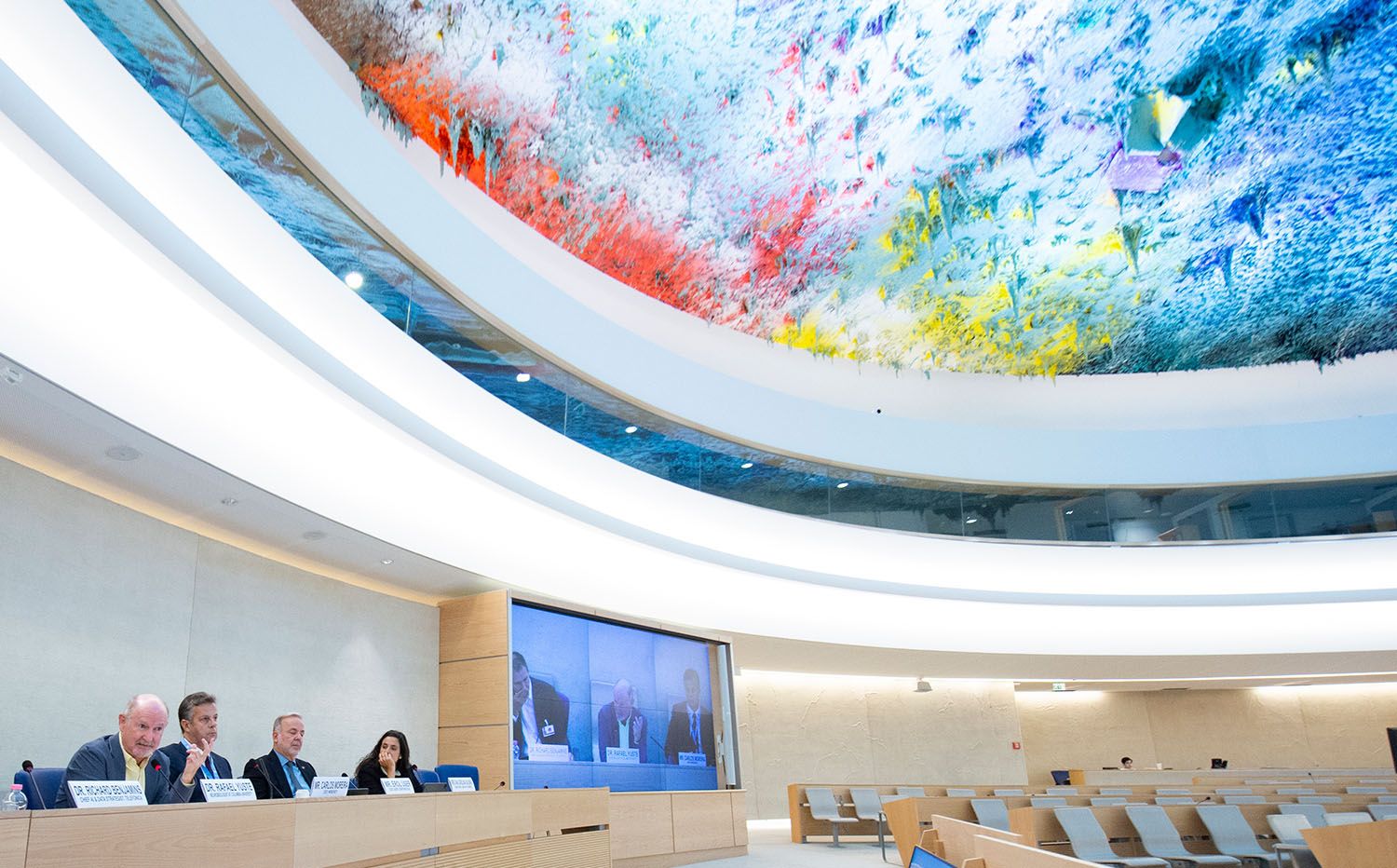
2022
One Humanity ID
In December 2022 the ONUART Foundation launched One Humanity ID in Geneva, a digital identity platform built by WISeKey on WISeID, placing the individual rather than the institution at the centre.